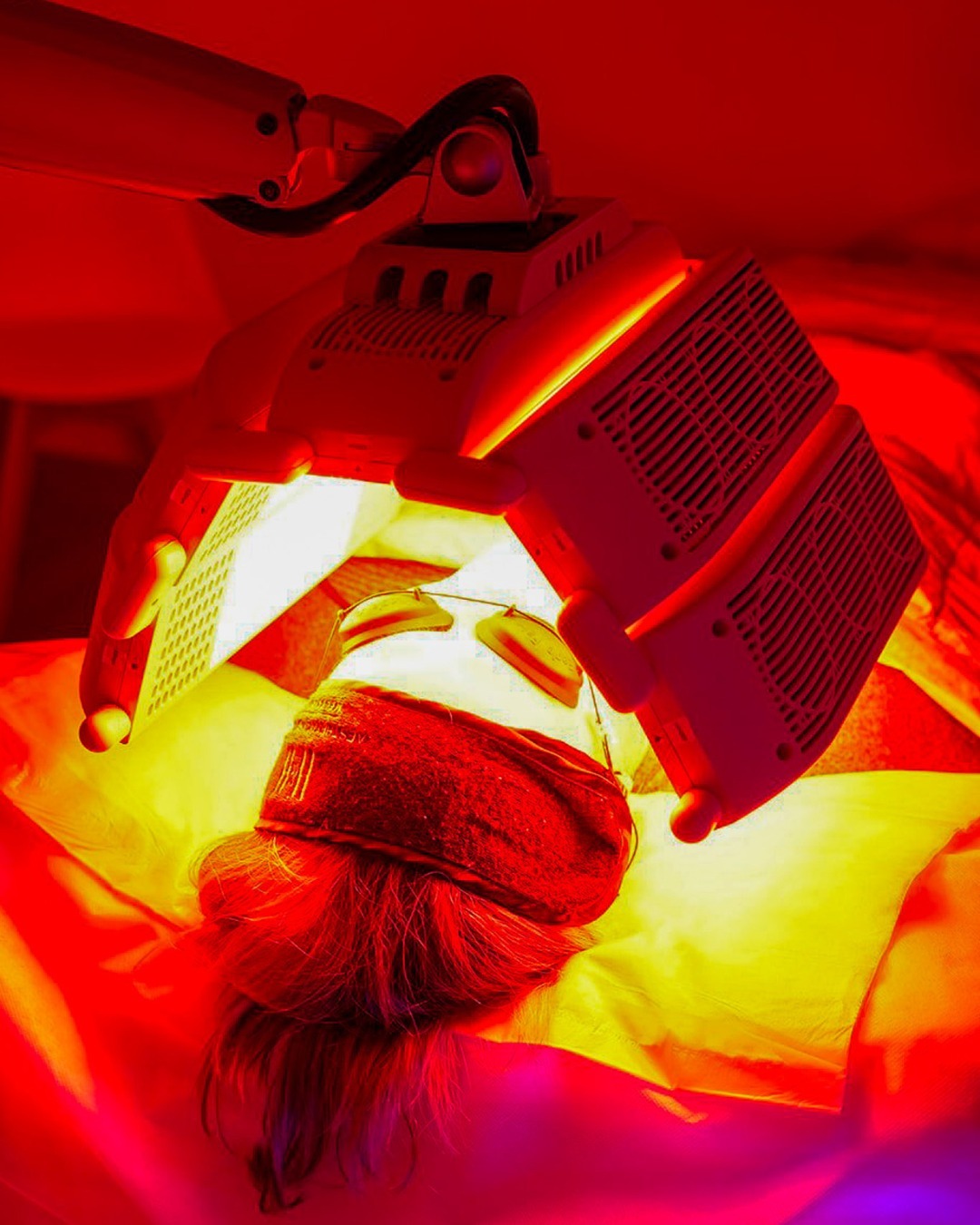
Red Light Therapy (RLT) has emerged as a groundbreaking treatment option in the realm of wellness and skin care, capturing the attention of medical professionals, researchers, and health enthusiasts alike. Using specific wavelengths of red and near-infrared light, this non-invasive therapy is designed to stimulate cellular function, promote healing, and support overall skin vitality. As the popularity of RLT continues to grow, a deeper understanding of how it works and its potential benefits is essential for those considering its use.
From improving skin tone and texture to aiding in pain relief and muscle recovery, the applications of Red Light Therapy are as diverse as they are promising. In this article, we will delve into the science behind RLT, explore its various applications, and discuss the potential risks and benefits, providing you with a comprehensive overview of this innovative therapeutic technique.
How Red Light Therapy Works
Red Light Therapy functions primarily by penetrating the skin to stimulate cellular activity, particularly in the mitochondria, which are responsible for producing energy in cells. By using specific wavelengths of light, typically between 600 to 900 nanometers, RLT enhances the production of adenosine triphosphate (ATP), the energy currency of cells. This increased energy flow promotes various physiological processes, leading to improved healing, reduced inflammation, and enhanced collagen production. As a result, many individuals are turning to Red Light Therapy For Wellness to address a range of concerns from skin imperfections to chronic pain.
Potential Benefits and Applications
The potential benefits of Red Light Therapy extend beyond aesthetics; users report improvements in conditions such as acne, psoriasis, and scars, alongside its use for muscle recovery and pain relief. Clinical studies have begun to support these claims, yet more research is needed to fully understand the long-term effects and efficacy on various health issues. While RLT is considered safe for most individuals, potential users should consult with a healthcare professional to discuss any underlying conditions or existing medications that may interact with the therapy.
In conclusion, Red Light Therapy stands at the forefront of non-invasive therapeutic treatments, offering a versatile range of benefits that appeal to both cosmetic and medical needs. As individuals seek out innovative ways to improve their health and well-being, understanding the mechanics and applications of RLT can empower informed decision-making. While promising results are emerging from initial studies and anecdotal evidence, it is crucial to approach this therapy with a sense of caution, ensuring proper guidance and consultation with healthcare professionals. As research evolves and more data become available, Red Light Therapy holds the potential to revolutionize how we address various health concerns and enhance our overall quality of life.